
North Miami Beach Previous Residents Eras
No single roll names all previous residents. Each source captures a different relationship to the address, and its useful years vary. The property and deed trail is strongest for ownership. Directories and census schedules can add occupants, while permits show work tied to owners, applicants, and contractors. Start with the era closest to the present, then work back through sources that overlap.
| Source | Verified span | Keeper | Best evidence |
|---|---|---|---|
| Official Records online | Most documents from 1974 onward | Miami-Dade Clerk | Grantor, grantee, deed, recording date, legal parcel |
| Records Library books and indexes | Before web coverage | Miami-Dade Clerk | Older parties, legal descriptions, book and page |
| North Miami Beach permits | Online since 2011 | Building Division and City Clerk | Project dates, owner, applicant, contractor |
| Greater Miami directories | Verified editions from 1926 through 1942 | MDPLS Main Genealogy | Named household or business at an address |
| State and federal census | 1935, 1940, 1945, and 1950 anchors | Florida Memory, NARA, libraries | Named household and relationships |
| Obituary index | 1896 through 2008 | Miami-Dade Public Library System | Notice citation, relatives, life dates |
For a recent address, begin with the free property roll and the purchase deed. For an early North Miami Beach home, the legal description and historic place names matter more than a modern street string. Directory gaps are normal, so a missing name should prompt a census, newspaper, or probate check instead of a claim that someone moved.
North Miami Beach Records in Reverse
The Miami-Dade Property Appraiser Property Search supplies the current owner, folio, situs address, legal description, and often a sale reference. A folio is the county parcel identifier. The situs address locates the taxed land, while the mailing address is where the tax notice goes. Neither field alone proves who lived there.
- Search the current street address. Save the folio, subdivision, lot and block, owner name, and acquisition reference.
- Open the purchase deed in the Clerk's Official Records. Confirm the legal description, then note the buyer and seller.
- Search the seller as an earlier buyer. Narrow by date and deed type, then match the same legal parcel.
- Repeat the handoff from buyer to seller until online coverage ends near 1974.
- Continue at the Records Library by party, legal description, Clerk's File Number, or official-record book and page.
This backward method builds ownership, not a perfect list of previous residents. A trust or business can hold title, an owner may live elsewhere, and family or renters may never appear in the deed. Pair the chain with sources that describe households.
- Grantor
- The person or entity giving an interest in land, usually the seller.
- Grantee
- The person or entity receiving that interest, usually the buyer.
- Chain of title
- The linked sequence of recorded transfers for the same parcel.
- Legal description
- The subdivision, lot, block, or other land description that remains useful when a street name changes.
North Miami Beach Previous Residents Offline
Most recorded instruments from 1974 forward can be searched online. Earlier deeds are still available through the Miami-Dade Clerk's Records Library at 20 NW 1st Avenue, Suite 5.246, Miami. Public computers search a party name, Clerk's File Number, legal description, or book and page. Staff can also research a name and year.
Standard online access is free. Copies cost $1 per page, certification adds $2 per document, and a staff name search costs $2 for each year searched. A mail request should include the full party name and document type. For a deed or mortgage, add the property address and legal description. That detail keeps a common surname from sending the search into the wrong parcel.
The Clerk's public-record request route is the documented fallback when a needed record cannot be found through the public interface.
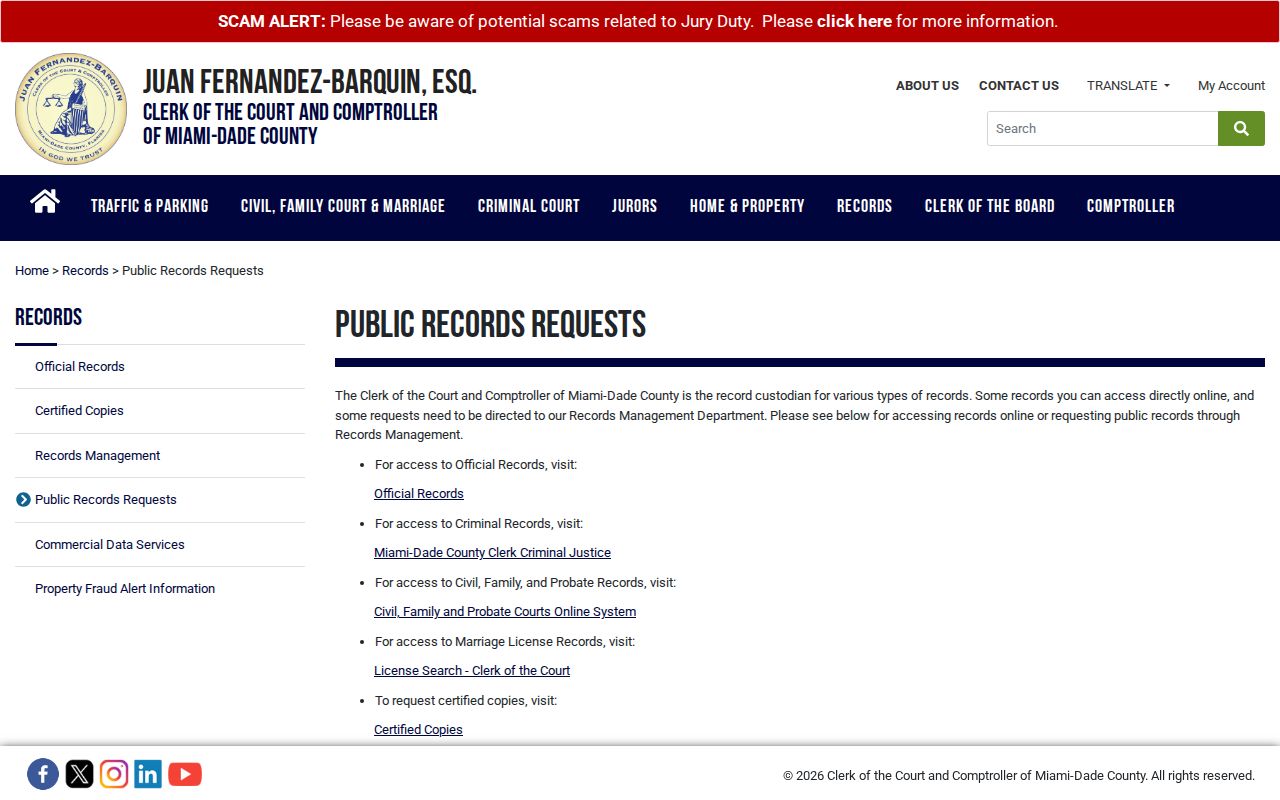
The request screen matters most after the folio, party, document type, and time range have already been narrowed.
Fulford Names Preserve Previous Residents
North Miami Beach history changes the search vocabulary. Captain William H. Fulford received a local land patent in 1897. The planned community was called Fulford-by-the-Sea, incorporated as Fulford in 1927, and took the North Miami Beach name in 1931. Older deeds, plats, directories, and news may therefore sit under Fulford, Greater Miami, or Dade County.
Street names also shift. Fulford Boulevard is NE 172nd Street, Flagler Boulevard is NE 19th Avenue, and NE 164th Street became Hanford Boulevard in 1975. Search both forms, but rely on the subdivision, lot, block, plat, and folio to prove continuity. Miami-Dade itself was called Dade County until 1997.
Land-boom caution. The city reports that some 1920s lots changed hands eight times before recordation, so one recorded deed may hide several deals.
North Miami Beach Resident Anchors
Owners are only half the story. Greater Miami directories may name a principal adult, spouse, job, employer, and home address. A reverse or criss-cross section starts with the street and number. The 1935 and 1945 Florida state censuses and the 1940 and 1950 federal schedules can then identify people who shared the dwelling. The verified directory editions include 1926, 1928, 1929, 1930, 1933, 1935, 1937, 1940, and 1942, not a proven continuous run.
Use a simple sequence: check the nearest directory year, record every abbreviation, compare the matching census, then move to the next available directory. The detailed shelf and entry method belongs to the North Miami Beach Directory Book. Absence from one volume may reflect missed canvassing, no telephone, an unlisted choice, or a publisher boundary.
After a name disappears, search the Miami-Dade Obituary Index and newspaper archive. Probate dockets can identify heirs and estate events, while cemetery and funeral notices may confirm dates and relationships. These are endpoints for a family-history trail, not proof that the person stayed at the address until death.
North Miami Beach Past Resident Names
Name changes can break an address trail. Miami-Dade marriage licenses from 1971 onward can be searched and ordered online; earlier county licenses require mail or counter access. The search can connect two names to a date, but it locates an event rather than a household.
The Miami-Dade Marriage License Search is useful after a directory, census, obituary, or probate record suggests a spouse or prior surname.
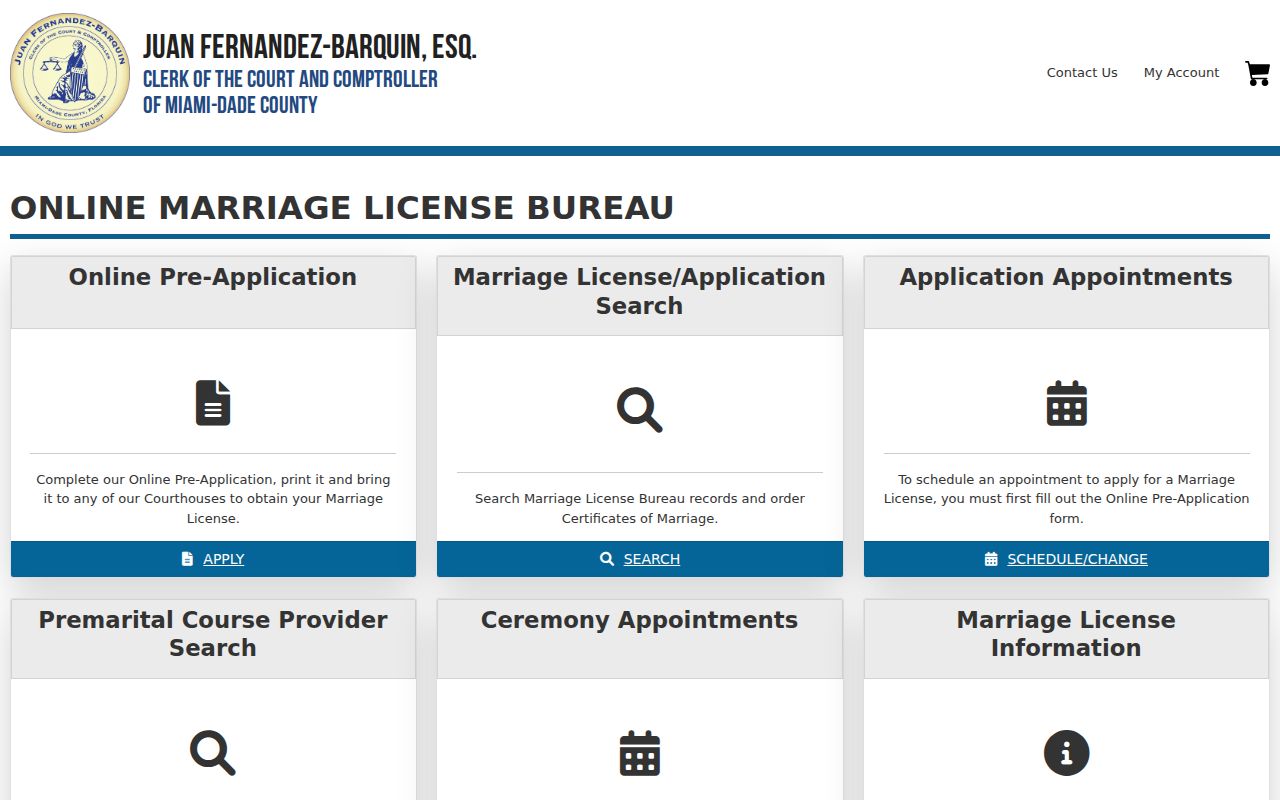
Save the names as indexed and the marriage date, then return to the address sources with both surname forms.
North Miami Beach Resident Address Clues
North Miami Beach publishes building-permit records online from 2011. A file may show an owner, applicant, contractor, work description, permit dates, and inspection history. It can date a roof, addition, pool, fence, or other change, yet it does not list everyone who occupied the home. Older permits should be requested from the Building Division or City Clerk.
Sanborn fire-insurance maps supply a different layer. Verified Miami holdings include 1914 and 1921 revisions and a digitized 1938 atlas, though the research did not confirm a specific Fulford sheet. A map may show footprint, construction, and land use. It cannot establish a household without a directory, census, deed, or other named source.
Verify North Miami Beach Resident Gaps
A person can vanish from local directories for many reasons. When family records specifically point to custody, use an official corrections source rather than guessing from a missed listing. Florida and federal systems are separate, and a custody result still does not prove residence at the North Miami Beach address.
The Florida Department of Corrections Offender Search covers state records.
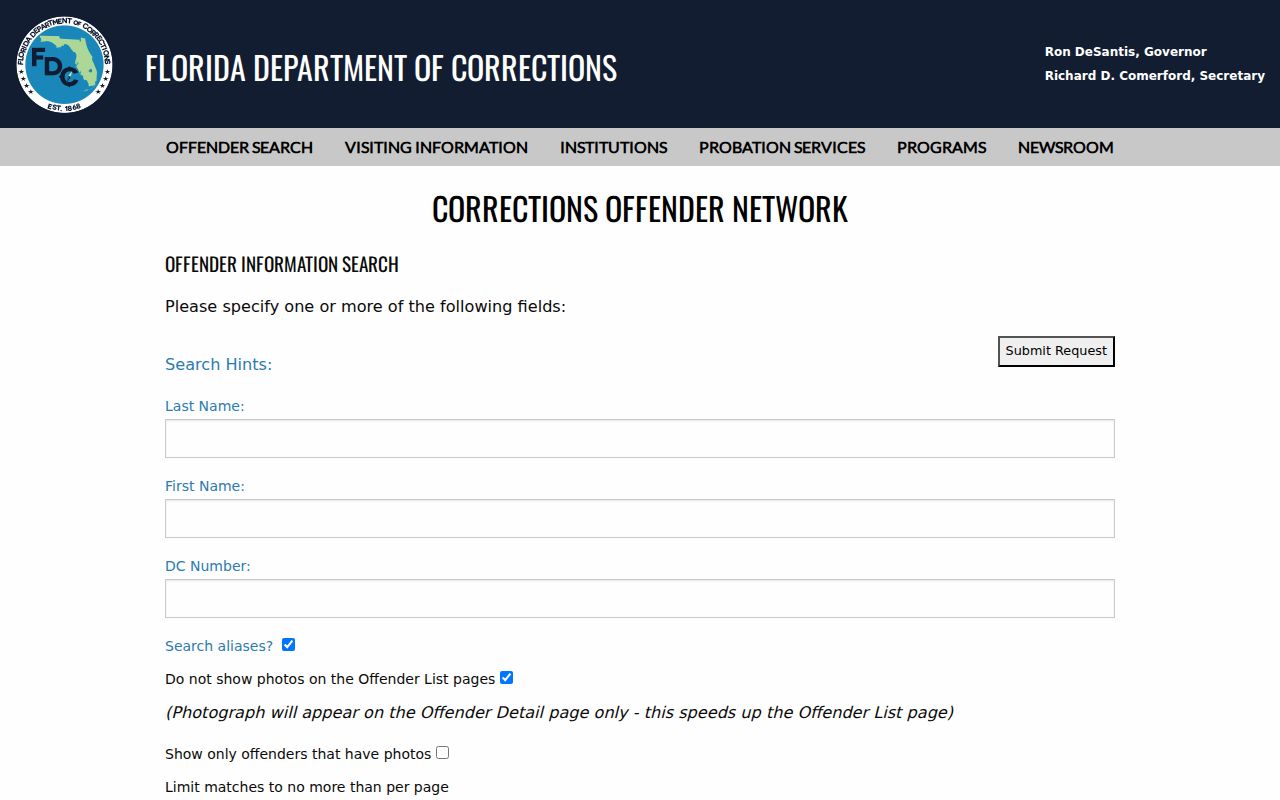
Match a full name with birth data or another identifier before linking a result to an address.
The Federal Bureau of Prisons Inmate Locator is the separate federal channel.
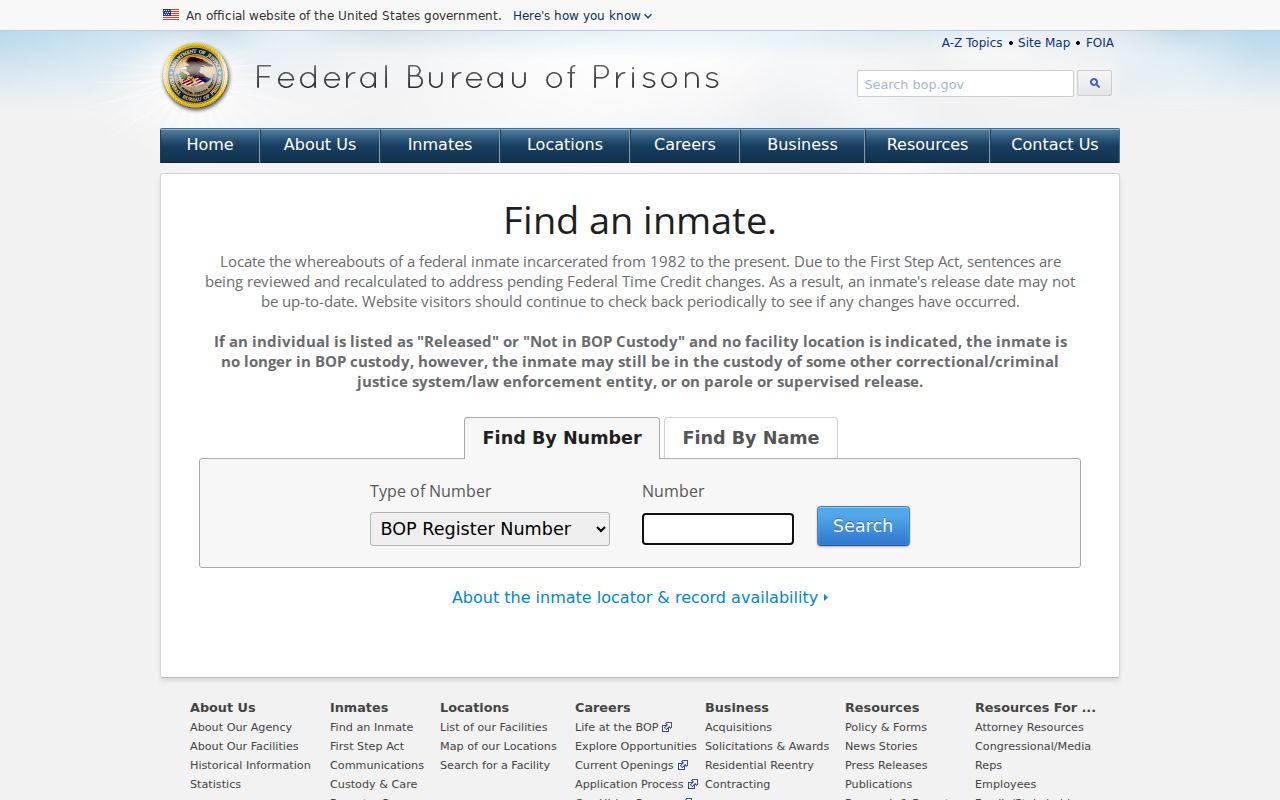
Use either result only as a dated identity lead, then corroborate it through the address, deed, directory, census, or probate trail.
Use Previous Residents Records Lawfully
House history, family research, estate work, and careful personal curiosity are valid reasons to study past residents. Public indexes can still be incomplete or wrong. Correct a mistaken source with its custodian, and respect redactions for protected addresses and confidential records.
Florida's Safe Address program protects eligible victims of domestic violence and stalking. Other protected classes may request address redaction under section 119.071. Do not try to defeat those safeguards through old files or compiled data.
Lawful use. Never use previous-resident research to track, threaten, harass, or harm a living person.